Beti Bachao Beti Padhao

He was Advisor to the Chief Minister of Haryana for the much-needed Beti Bachao Beti Padhao Abhiyan (2015–2020) with spectacular results. The Sex Ratio at Birth (SRB) in Haryana reached above 900 for the first time in history, improving from 871 in 2015 to 932 in 2020.

There have been many discussions and deliberations amongst experts on the root causes of female foeticide and gender biases, including strategies needed to eliminate gender-based discrimination from society. Among the various causes cited for the prevalence of sex-selective elimination are son preference, clan progress, property distribution, and fear for the security of girls and women. Many social customs and traditions are thought to propagate this discrimination. Strategies proposed by various experts range from harsher and appropriate laws, changes in societal norms, and discriminatory traditions to raising awareness amongst the masses.

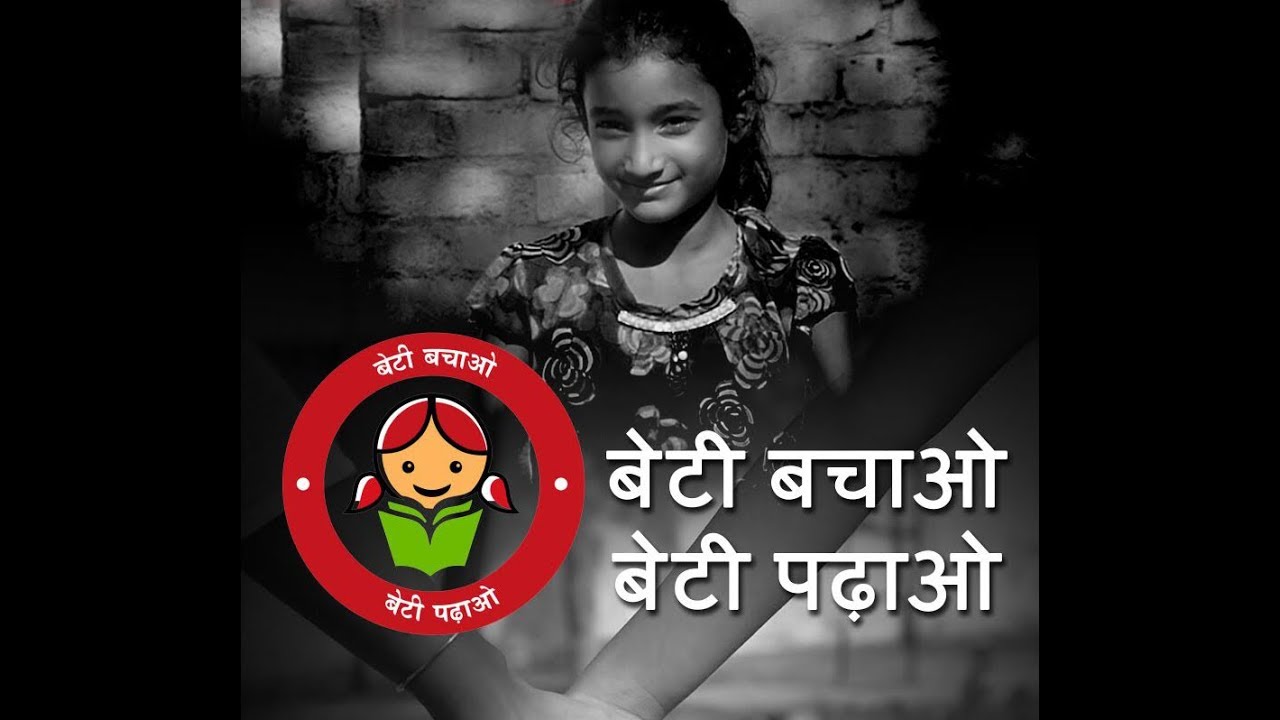
The increased discussions, debates, and awareness on the issues related to women are directly linked with the political will demonstrated through the launch of the Beti Bachao Beti Padhao Scheme from Panipat on 22nd January 2015 by our Hon’ble Prime Minister. The scheme was launched in 100 districts, 87 of which were gender-critical in terms of child sex ratio (CSR). Haryana had 12 districts in the list of 100. Starting the program from Panipat was indeed an indication that the Prime Minister is concerned about the daughters of India in general, and Haryana in particular. He had a vision which he articulated in his speech during the launch. The Chief Minister of Haryana was also present during the launch, and he took this as a challenge.

Though the Ministry of Women and Child Development is the Nodal Ministry for the implementation of the Beti Bachao Beti Padhao Scheme, the efforts of the Department of Health, Education, and other departments like Panchayati Raj, in general, have been pivotal in its success.

The indicators mentioned in the guidelines released by the Ministry of Women and Child Development for deputy commissioners include: improving the Sex Ratio at Birth (SRB) in selected gender-critical districts by 2 points per year, at least 1.5% increase per year in institutional deliveries, at least 1% increase per year in 1st trimester ANC registration, improving the nutrition status of girls by reducing the number of underweight and anemic girls under 5 years of age, and promoting a protective environment for girl children through the implementation of the Protection of Children from Sexual Offences (POCSO) Act 2012. These make the program achievement-based rather than rhetorical.

The elimination of girls after birth (infanticide) was the norm in earlier days. However, with the advent of new technologies, especially ultrasonography, which is instantaneous and relatively cheaper, knowing the sex of the fetus in the womb has become easier.

Strict implementation of PC-PNDT, MTP, and Drug and Cosmetic Act, apart from other important measures to motivate the general public, is of paramount importance in curbing this menace. Fetal sex selection has become a significant industry, and when pressure is applied to one district, the industry shifts its base to nearby districts. For this reason, the Haryana Government decided to run the program in all 21 districts of the state from the beginning. The government has come down heavily on the syndicate and has registered more than 700 FIRs under various acts. This has created a sense of fear among criminals involved in such activities. Action is also being taken against quacks and other shopkeepers selling fake sex-selective medicines.

The biological sex ratio at birth is naturally masculine with 104–107 male live births per 1000 females or 952 girls per 1000 boys. The sex ratio in Haryana has been low historically as depicted in Table 1

Sex Ratio at Birth in Haryana (2015–2019)
Year Sex Ratio at Birth (Girls per 1000 Boys)
December 2015 900
2016 900
2017 914
2018 914
2019 927

The aim of the Beti Bachao Beti Padhao scheme is not only to prevent gender-biased sex-selective elimination, ensure education, survival, protection, and empowerment, but also to create an enabling environment for bringing about social change regarding equality of the girl child. This means a combination of activities covering the entire life cycle of a woman.

Once born, a girl requires good nutrition after six months of exclusive breastfeeding to mitigate chances of undernutrition. The latest NFHS-4 survey states 71.7% of children aged 6–59 months are undernourished. Haryana has 29.4% underweight children under age 5, with a likely higher percentage among girls. Hence, there is a focus on improving ICDS services and dietary modification.

Equal health-seeking behavior from parents for both girl and boy children is crucial. Haryana's infant mortality has reduced to 33 and under-five mortality to 41. Post-preschool education in Anganwadi centres, we aim for 100% enrolment and fewer dropouts. "Balika Manches" and "Man Ki Baat" initiatives have helped identify reasons for girl dropouts. NSS and NCC involvement has re-enrolled many girls with great success. Now, 75.4% of women aged 15–49 are literate.

Functional toilets improve health, hygiene, and contribute to increased girl enrolment and reduced dropouts. We're striving for functional toilets in all schools. Insecurity is a major reason behind gender-based elimination. Girls need a secure environment at home and outside. Children are being sensitized about good and bad touch, while adolescents and adults are educated on legal protections. Mahila Police Stations are now in all 21 districts. Conviction rates under the POCSO Act are at an all-time high, and referrals to the Child Welfare Committee have increased.

Khap panchayats are now publicly opposing female foeticide. Civil society groups like Bharat Vikas Parishad are celebrating girl births through events like Anandotsav. Campaigns include awareness rallies, street plays, film screenings, Prabhat Pheris, puppet shows, baby shows, and displaying birth and sex ratio data in villages.

Schemes such as Haryana Kanya Kosh, PM Matru Vandana Yojana, Aapki Beti-Humari Beti, Sukanya Samriddhi, Haryana Nutrition Mission, One-Stop Centres, Humari Phoolwari, and Malnutrition-Free Haryana, along with awards like Indira Gandhi Mahila Shakti Award, Kalpana Chawla Shaurya Award, Bahan Shanno Devi Award, Lifetime Achievement Award, and Women Achievers Awards are encouraging women's empowerment.

The B3P scheme has succeeded in Haryana due to interdepartmental coordination, political will, and effective execution through deputy commissioners. Restoring the sex ratio requires community involvement and participatory implementation. This success shows government agencies can achieve major results through cooperation.